

Tips to Trace Your Ancestors

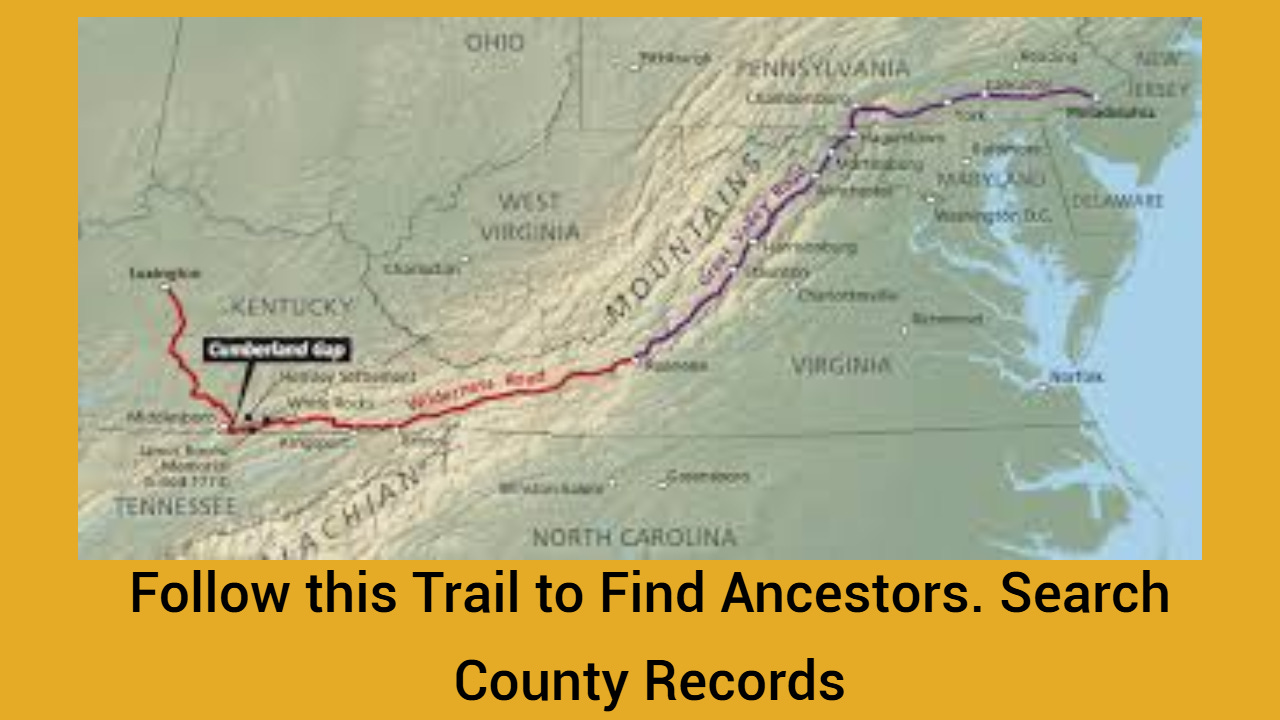
Here are some guidelines for finding information to add to your pedigree chart and family group sheets. That is important because it lets you visualize which records to search next.
Begin with your immediate family, and then your parents. Please ask for the old Bible records, where people were buried, etc.
Visit the burial sites of relatives and write down all the tombstone data. Later on, as you gain more names on the pedigree chart, you may want to revisit the cemeteries return and record the names discovered in the “old area.” I call it the “old neighborhood.”
As farms and neighbors flowed into an area, they became friends, witnesses, and relatives. When you view the wills and receipts (and estate sales) in the estate records, you will see these names. They were the heirs and spouses.
Census records began in 1790, only listing the heads of families. It was not until 1850 that a complete family record was enumerated in census records.
Next. County Records. The real fun begins. Your single most important step will be to examine estate records, old wills, deeds, tax digests, etc. These records are found at local courthouses and online at the following websites:
Discover your family’s history
Become a part of the best ancestry website community through FamilySearch, and discover how our free Family Trees and…
Georgia Genealogy | Find Your Ancestors Fast
Georgia genealogy databases with county, bible, cemetery, birth and militia records. Trace ancestors to immigrants…
FamilySearch.org is sponsored by the Mormon church, which microfilmed the county records of every state!
GeorgiaPioneers.com contains county records of pioneers in Georgia, North Carolina, South Carolina, Tennessee, and Virginia. In addition, all private collections and books belonging to professional researcher, Jeannette Holland Austin, are included. The collection includes over 10,000 traced families (The Austin Collection), and some 6,000 families in the Genealogy Vault. This is a popular website used by professional genealogists and those persons gathering data to publish books.